
 English
Protective Packaging Materials ·
Protective Packaging Materials ·
Protective Packaging Materials ·
Protective Packaging Materials ·
Protective Packaging Materials ·
Protective Packaging Materials ·
Protective Packaging Materials ·
Protective Packaging Materials ·
Protective Packaging Materials ·
Protective Packaging Materials ·
Protective Packaging Materials ·
Protective Packaging Materials ·
Protective Packaging Materials ·
Protective Packaging Materials ·
Protective Packaging Materials ·
Protective Packaging Materials ·

Product Category
Protective Packaging Materials
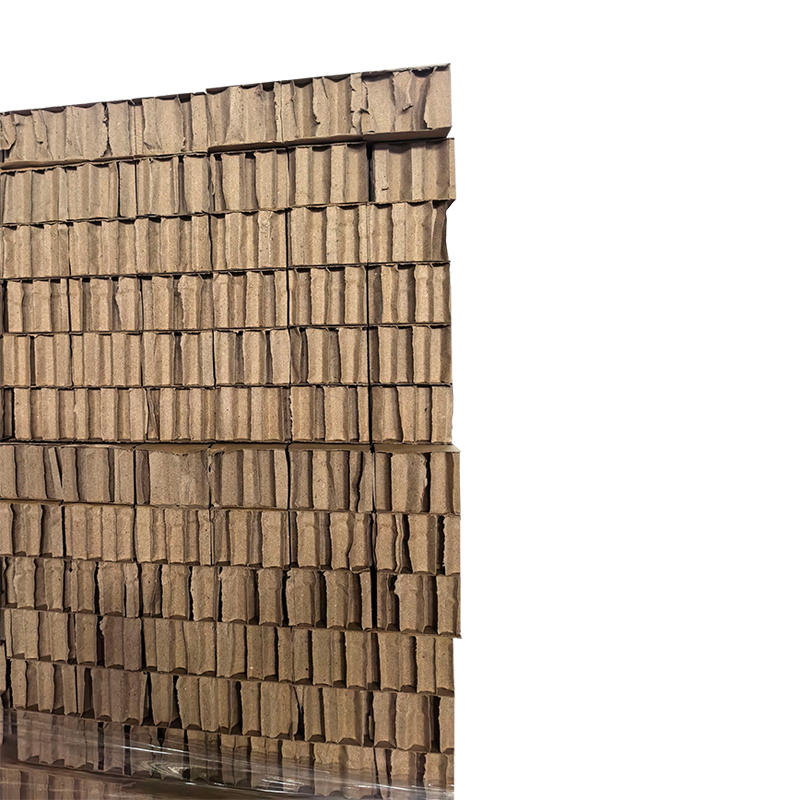
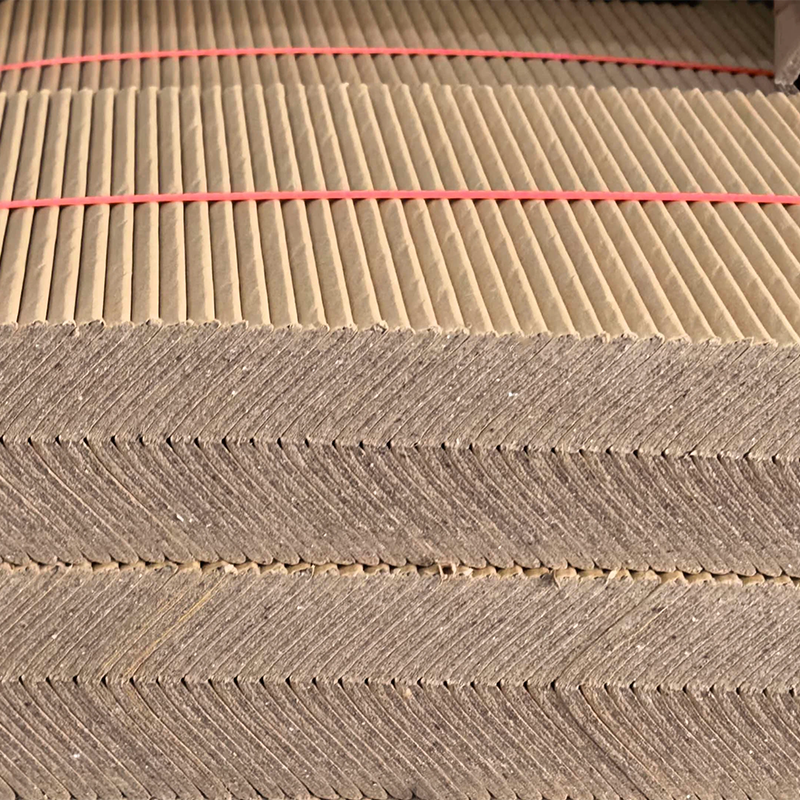
Protective Packaging Materials are designed to protect products from impact, compression, scratches, and damage during handling, storage, and transportation. Common products include honeycomb packaging boards and paper corner protectors, which help cushion goods, reinforce package edges, and maintain cargo stability.
Application Scenarios
Protective Packaging Materials are used in manufacturing facilities for product packing, warehouses for goods storage, logistics centers for cargo handling, and export operations for protecting products during transit. Honeycomb boards can provide cushioning and separation, while paper corner protectors help reinforce carton edges and palletized loads.
Purchasing Reasons
Buyers choose Protective Packaging Materials to reduce transit damage, improve packaging stability, and protect goods throughout the supply chain. For example, manufacturers may use honeycomb boards to separate or cushion products, while packaging suppliers and logistics companies source paper corner protectors to reinforce cartons and secure strapped pallets.
Specification Range
Protective Packaging Materials are available in different materials, structures, and dimensions to meet various packaging requirements. Options may include honeycomb board thickness, panel size, paper corner protector dimensions, edge profiles, strength requirements, and customized shapes according to product size, packaging methods, and load conditions.
OEM Capability
OEM and ODM services are available for customized Protective Packaging Materials, including dimensions, thickness, structural design, material selection, cutting, printing, and packaging. Customization can be developed according to samples, technical drawings, product dimensions, and transportation requirements to support manufacturers, packaging distributors, and logistics suppliers.
Quality Certifications
Product quality can be supported by applicable quality management systems and material compliance requirements, depending on the manufacturer's actual certifications. Quality control may include dimensional inspection, compression or load testing, material verification, and structural assessment to help ensure consistent protection during handling, storage, and transportation.
About Us
Film as Our Medium ·
Innovation for the Future
Innovation for the Future
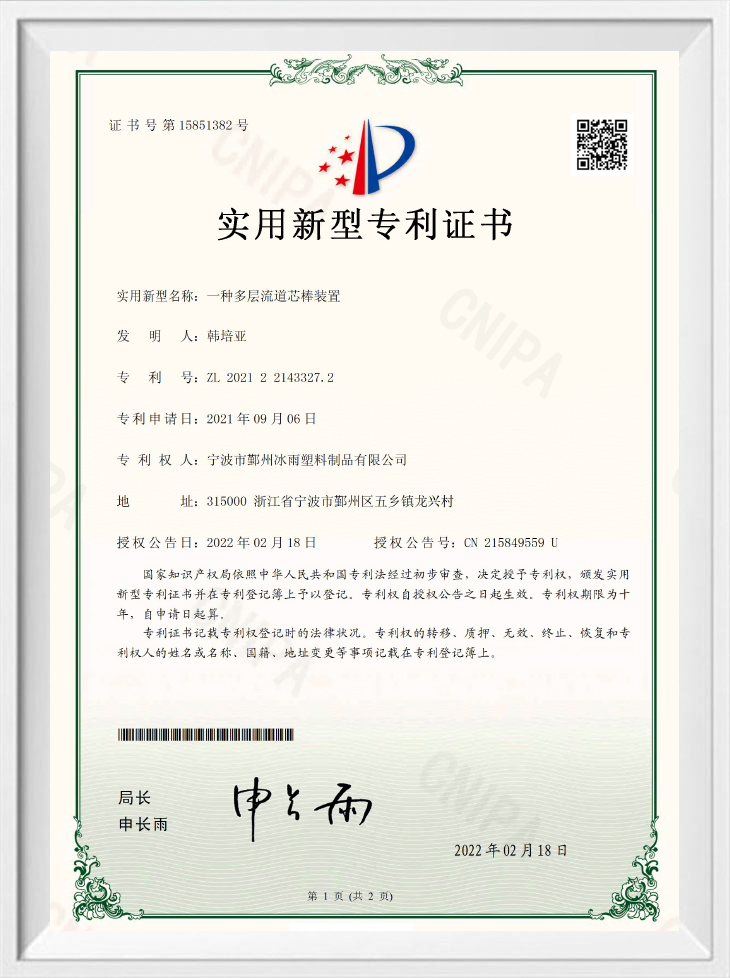
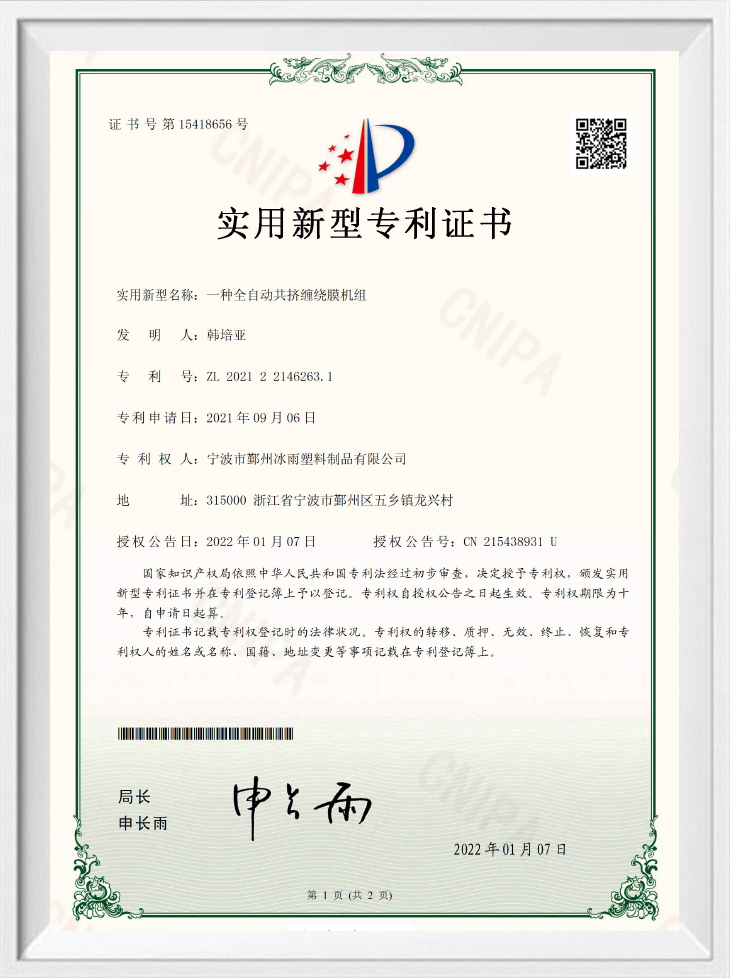
Bingya Technology – specializing in polymer release films and composite film materials. With proprietary patents, advanced coating lines, and a rigorous quality system, we deliver high-performance film solutions for PCB/FPC, precision electronics, and packaging industries. Trusted by Foxconn, TCL, and other leading brands, our products are RoHS/REACH compliant – where quality meets sustainability. Film as our medium, we build the future of manufacturing.
VIEW MORE
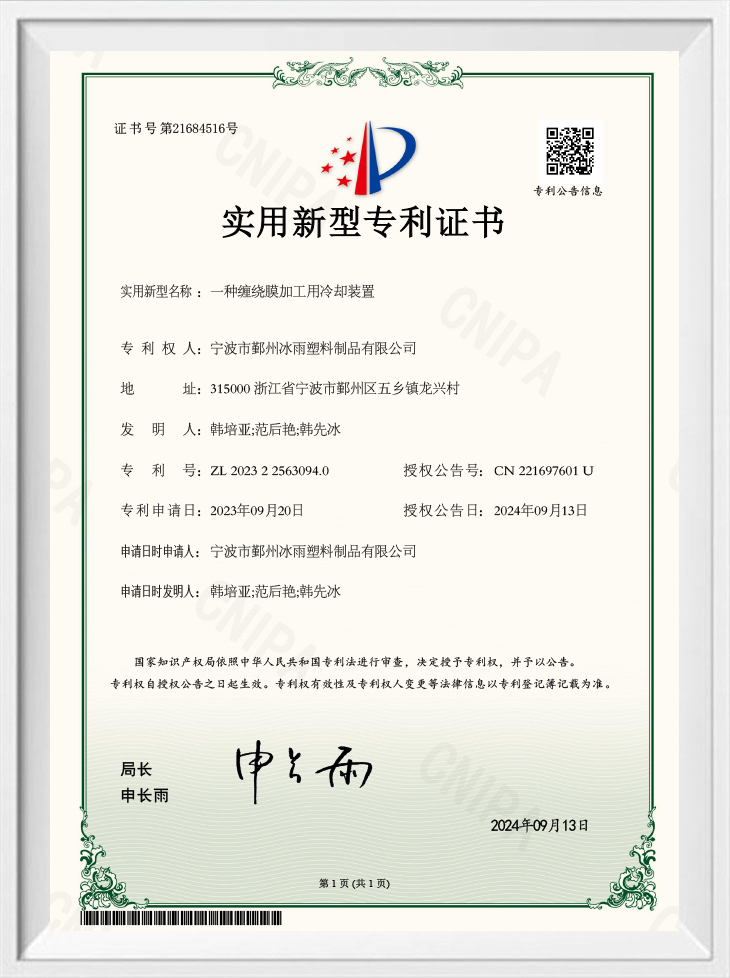
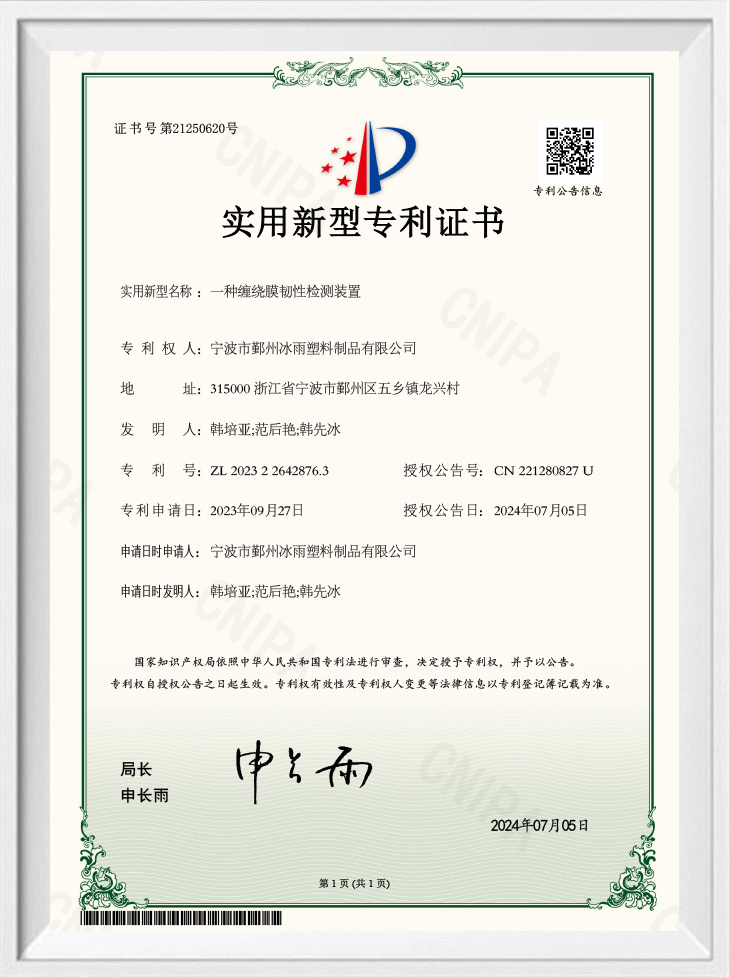
Certificate Of Honor
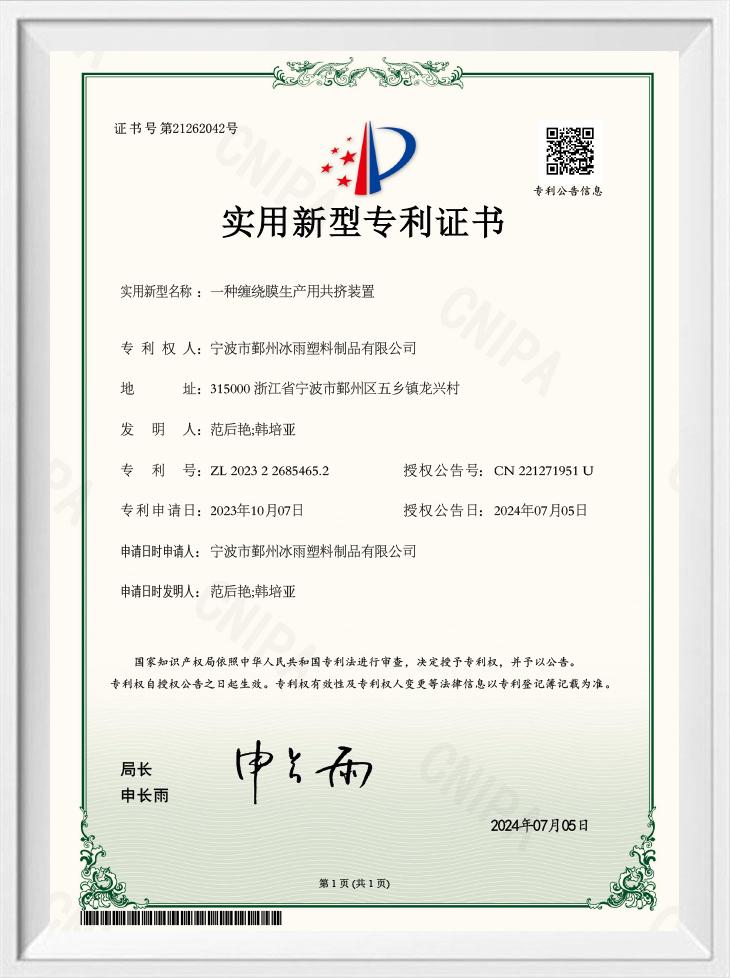
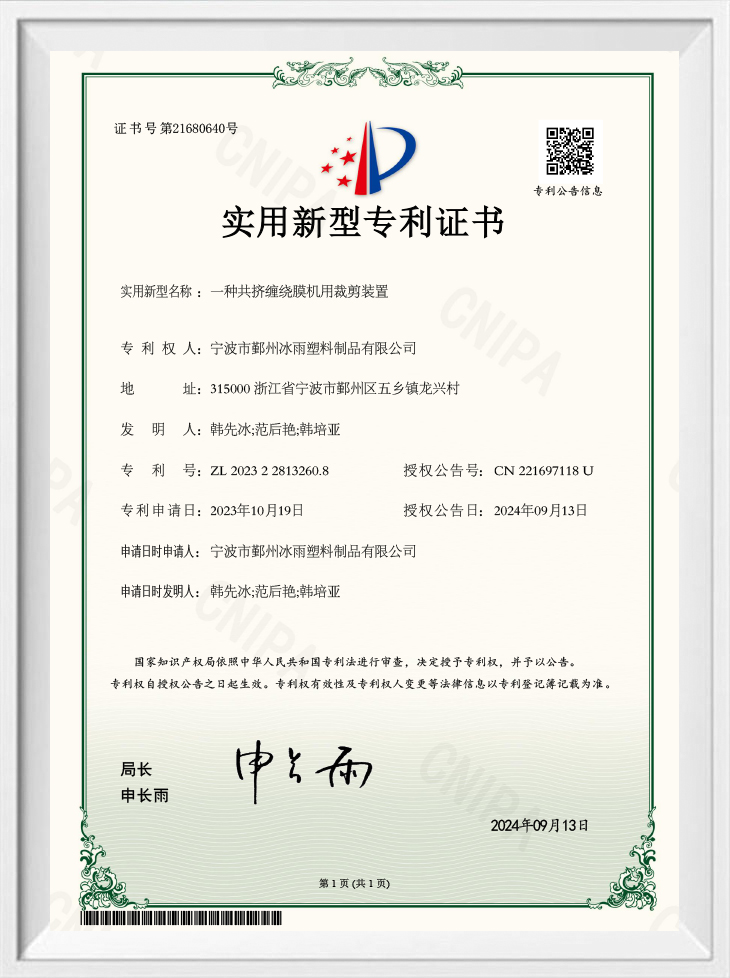
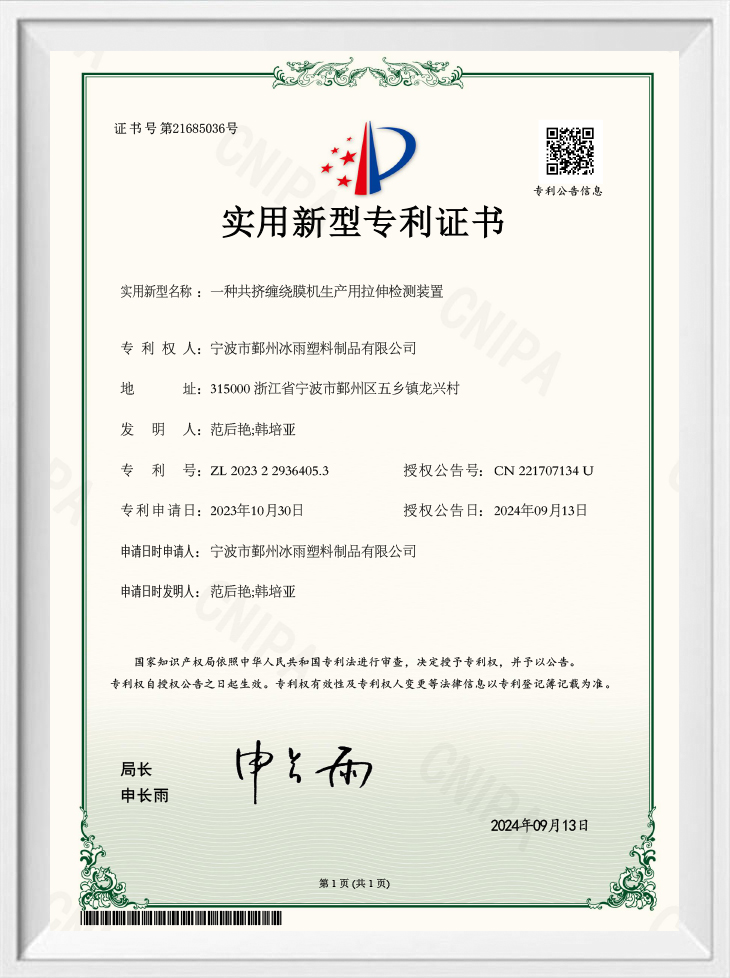
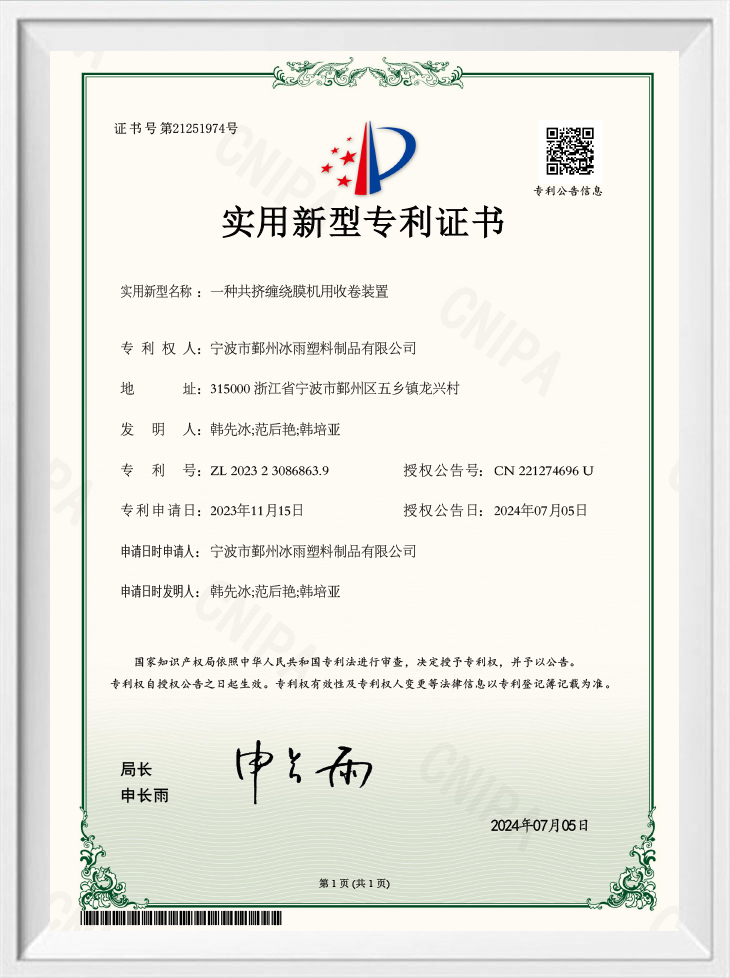
News
Provide You With The Latest News
-

 2026.10.13
 Company News
-
2026.10.13
Company News
-
2026.10.13
Company News
Message Feedback
Protective Packaging Materials Industry knowledge

Ready To Customise Your Products?

Product Categories
Quick Link
Contact Us
 Email: by@hongyufilm.com
 Telephone: +86 133 9668 2577
-
 Xincheng Village, Wuxiang Town, Yinzhou District, Ningbo City, Zhejiang Province
Copyright © by Zhejiang Bingya Thin Film Technology Co., Ltd. All Rights Reserved.
